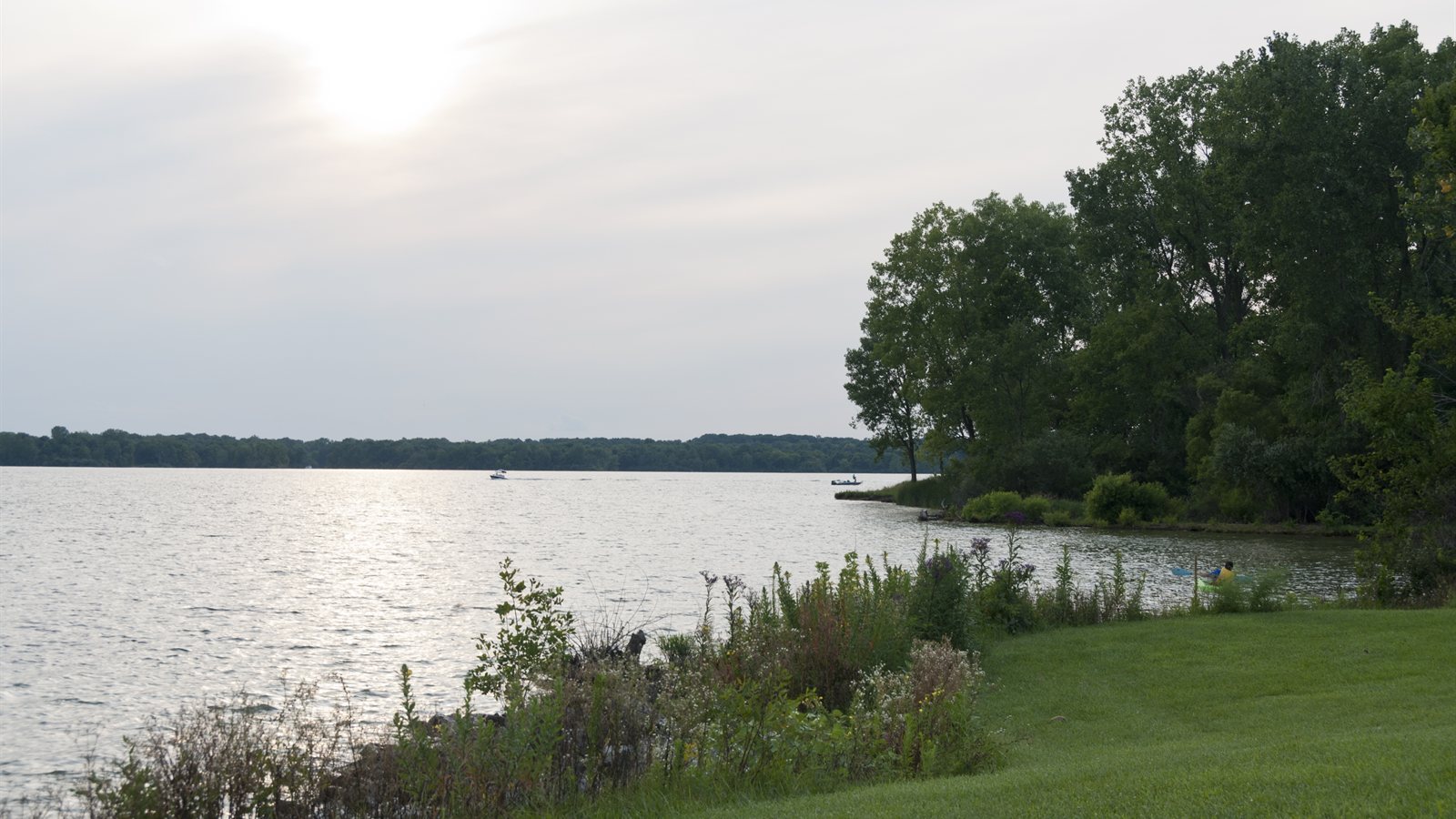
Half-Day Channel Discovery Trips
The core of our programme is a four-hour guided run through braided channels, flooded meadows and quiet backwaters, timed for early morning or late afternoon when wildlife is most active. Groups of no more than eight travel by electric skiff with a naturalist aboard, stopping at observation points, drifting silently beside feeding herons and stepping ashore where firm ground allows. The trip includes binoculars, waterproof outerwear, a channel chart, seasonal species notes and refreshments prepared by regional producers. It suits first-time visitors, families with children over six and photographers who want unhurried light without committing to a full expedition day.
Full-Day and Multi-Day Expeditions
Longer journeys reach the outer reaches of the delta, where channels widen into shallow lagoons and sand islands appear and disappear with the season. Full-day trips combine navigation with shore walks, picnic stops on stable banks and extended observation periods at colony sites. Multi-day programmes add overnight stays in simple riverside lodges or fixed tented camps, night listening sessions for amphibians and owls, and dawn departures before other traffic appears. Luggage transfer, all meals, permits for restricted zones and a detailed daily briefing are arranged by our coordinators, leaving guests free to concentrate entirely on the landscape around them.
Wildlife Photography Departures
Dedicated photography runs use low-profile craft with stabilised bean-bag rests, silent approach techniques and departure times aligned with the softest light of the day. Groups are capped at four so that everyone holds a clear firing line, and skippers position the boat according to sun angle and wind drift rather than schedule. Guides advise on species behaviour, likely flight paths and ethical distance, and floating hides can be positioned near feeding areas on request. Charging facilities, dry storage, lens cloths and spare rain covers are provided aboard, and an optional evening review session helps participants edit and caption their strongest frames.
Private Charters and Group Events
Entire boats can be reserved for families, small companies, clubs and celebrations, with routes and pacing built around the group rather than a public timetable. Charters may combine a gentle wetland circuit with a catered meal ashore, a guided birdwatching focus, an introduction to traditional punting, or a quiet sunset run with regional refreshments served on deck. We handle transfers from the city, accessible boarding arrangements, dietary requirements and bilingual guiding, and we can provide a short introductory talk on delta ecology for corporate programmes that want substance alongside hospitality.
Education and Field-Study Programmes
Schools, universities and nature clubs work with us on structured field days covering hydrology, wetland succession, migratory routes and water-quality sampling. Sessions pair boat time with practical exercises: reading a channel chart, taking turbidity and temperature readings, identifying macroinvertebrates and recording bird counts on standard forms. Materials are prepared to match the age group and curriculum, and teachers receive a preparation pack beforehand plus a summary of collected data afterwards. Risk assessments, insurance documentation and accessible boarding are arranged in advance so that organisers can focus on the learning rather than the logistics.
Research Support and Conservation Days
Our crews provide logistical support to ecologists, ringing teams, film units and river authorities that need reliable shallow-water access, equipment transport and local navigation knowledge. Services include timed drop-offs at survey points, hide installation, sample transport under agreed handling conditions and skipper assistance during night operations. Alongside contracted work, we run open conservation days when volunteers join reed replanting, litter recovery from silted channels and maintenance of nesting platforms. Participants receive training, tools and refreshments, and results from each session feed into the annual habitat report we publish for partners and guests.